
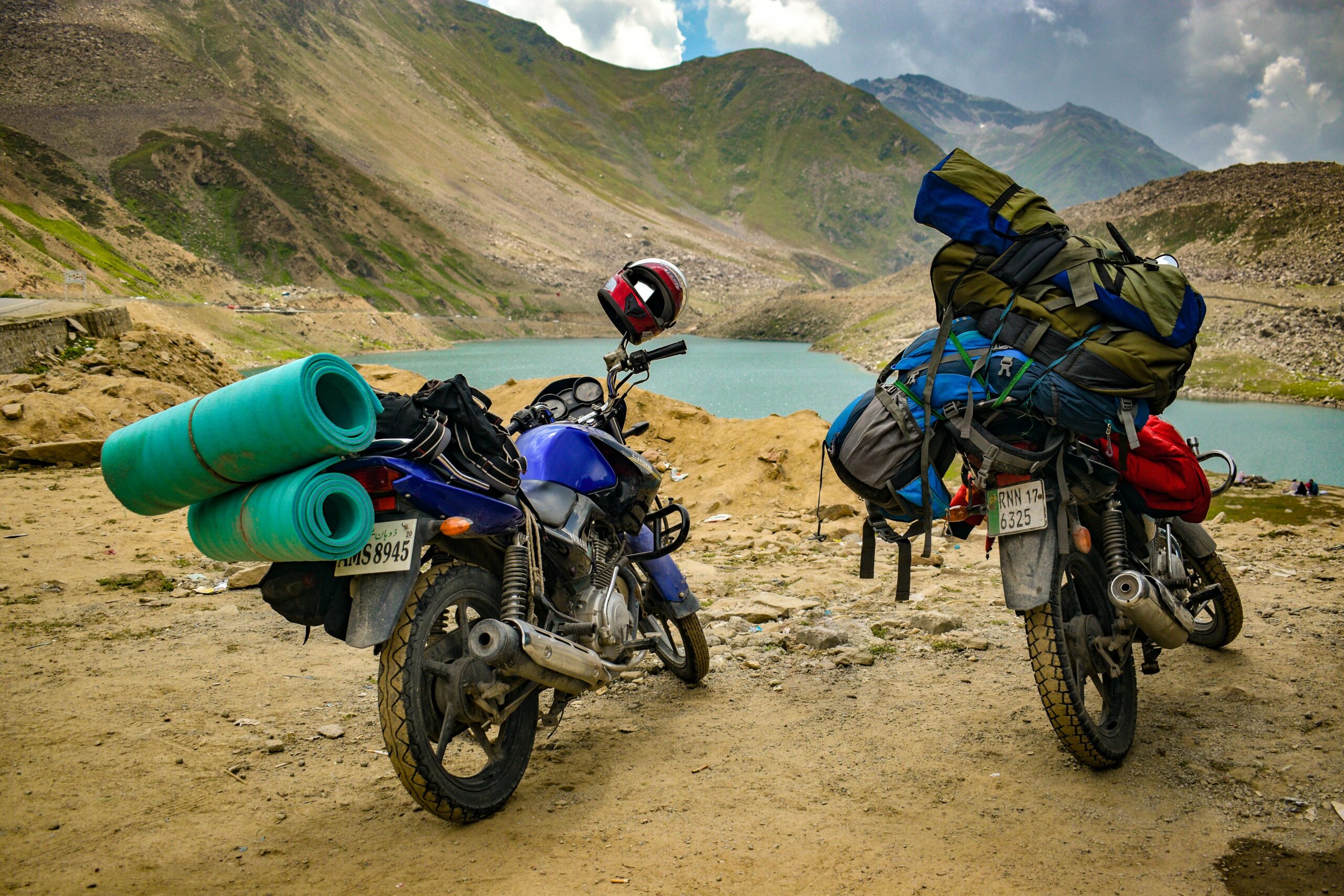
For adventurers seeking the ultimate blend of freedom, adrenaline, and exploration, overlanding on a motorcycle offers a thrilling way to traverse rugged terrain, conquer remote landscapes, and immerse oneself in the beauty of the great outdoors. Whether you’re navigating winding mountain roads, tackling challenging off-road trails, or cruising through vast expanses of wilderness, overlanding on a motorcycle provides a unique and exhilarating way to experience the world. Here’s everything you need to know about embarking on an overlanding adventure on two wheels:
1. Choosing the Right Motorcycle:
- Selecting the right motorcycle is crucial for a successful overlanding adventure. Consider factors such as terrain, riding experience, and personal preference when choosing your bike.
- Dual-sport or adventure motorcycles are popular choices for overlanding, as they offer a combination of on-road comfort and off-road capability.
- Ensure your motorcycle is properly maintained and equipped with essential accessories such as crash bars, skid plates, and luggage racks to withstand the rigors of overlanding.
2. Packing Essentials:
- Pack light and efficiently to maximize space and minimize weight on your motorcycle. Invest in lightweight and compact camping gear, clothing, and supplies.
- Prioritize essential items such as shelter, sleeping gear, cooking equipment, navigation tools, and first aid supplies. Pack versatile and multi-functional gear that serves multiple purposes.
- Use soft-sided luggage such as saddlebags, tail bags, and tank bags to distribute weight evenly and maintain balance while riding.
3. Route Planning:
- Research your route thoroughly and plan your itinerary in advance. Consider factors such as distance, terrain, weather conditions, and points of interest along the way.
- Utilize maps, GPS devices, and online resources to plot your course and identify potential campsites, fuel stops, and points of interest.
- Be flexible and open to changes in your route based on changing circumstances or unexpected obstacles encountered along the way.
4. Riding Techniques:
- Familiarize yourself with basic off-road riding techniques such as proper body positioning, throttle control, braking, and cornering on loose surfaces.
- Practice riding in varying terrain and weather conditions to build confidence and improve your skills as an off-road rider.
- Ride at a safe and responsible speed, especially on unfamiliar or challenging terrain, and be mindful of potential hazards such as rocks, sand, mud, and wildlife.
5. Safety Precautions:
- Prioritize safety at all times and wear appropriate protective gear, including a DOT-approved helmet, riding jacket, gloves, pants, and boots.
- Stay hydrated and take regular breaks to rest and refuel, especially during long days of riding in hot or challenging conditions.
- Carry a fully stocked first aid kit, emergency supplies, and a personal locator beacon (PLB) or satellite communication device for summoning help in case of emergencies.
6. Embrace the Adventure:
- Overlanding on a motorcycle is as much about the journey as it is about the destination. Embrace the sense of freedom, adventure, and exploration that comes with traveling on two wheels.
- Take time to soak in the breathtaking scenery, connect with fellow travelers, and immerse yourself in the cultures and communities you encounter along the way.
- Be prepared for unexpected challenges, detours, and surprises, and approach each day with a spirit of curiosity, resilience, and adaptability.
Conclusion: Overlanding on a motorcycle offers a unique and exhilarating way to explore the world and experience the beauty of the great outdoors. By choosing the right motorcycle, packing efficiently, planning your route, mastering riding techniques, prioritizing safety, and embracing the adventure, you can embark on an unforgettable journey of discovery and adventure on two wheels. So rev up your engine, hit the open road, and let the adventure begin.
Deja un comentario