
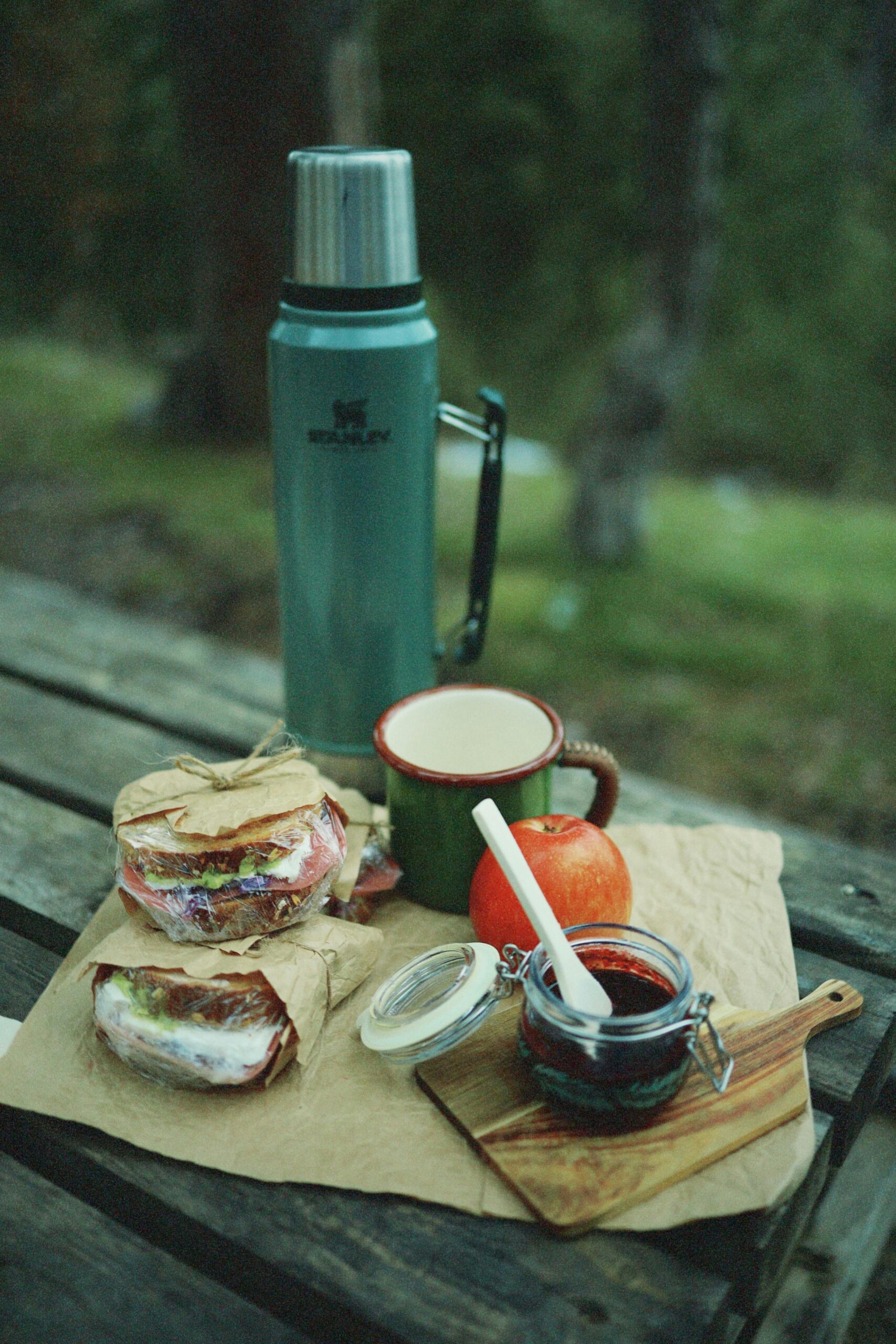
Camping and overlanding offer unparalleled opportunities to connect with nature, explore new landscapes, and embark on exciting adventures. However, maintaining a healthy diet while spending extended periods in the great outdoors can pose unique challenges. Whether you’re pitching a tent in the wilderness or navigating rugged terrain in your off-road vehicle, prioritizing nutrition is essential for sustaining energy levels, promoting recovery, and optimizing performance. Here are some practical tips for maintaining a healthy diet while camping or overlanding:
1. Plan Your Meals in Advance:
- Before setting out on your outdoor adventure, take the time to plan your meals and snacks for each day.
- Opt for nutrient-dense foods that provide sustained energy and essential nutrients, such as whole grains, lean proteins, fruits, vegetables, nuts, and seeds.
- Consider factors such as cooking equipment, storage space, and shelf stability when selecting ingredients for your camping meals.
2. Pack Portable and Nutrient-Rich Foods:
- Choose lightweight and non-perishable foods that are easy to pack and transport, such as dried fruits, nuts, nut butter packets, whole grain crackers, and jerky.
- Pack single-serve portions or pre-portioned snacks to avoid overeating and minimize food waste.
- Incorporate a variety of colors and textures into your camping meals to ensure a diverse and balanced diet.
3. Embrace Fresh Produce:
- While fresh produce may be less convenient to pack and store, incorporating fruits and vegetables into your camping meals can provide essential vitamins, minerals, and antioxidants.
- Opt for sturdy and portable options such as apples, oranges, carrots, bell peppers, and cherry tomatoes that can withstand the rigors of outdoor travel.
4. Invest in Lightweight Cooking Gear:
- Invest in lightweight and portable cooking gear that allows you to prepare healthy meals and snacks on the go, such as a camping stove, lightweight cookware, and utensils.
- Experiment with one-pot meals, foil packet recipes, and no-cook options that require minimal preparation and cleanup.
5. Stay Hydrated:
- Proper hydration is essential for maintaining energy levels, regulating body temperature, and supporting overall health and performance.
- Pack an adequate supply of water or a portable water filtration system to ensure access to clean drinking water throughout your camping trip.
- Monitor your fluid intake and drink water regularly, especially in hot or humid conditions or during strenuous activities.
6. Practice Moderation and Balance:
- While it’s important to prioritize nutritious foods, it’s also okay to indulge in occasional treats and comfort foods while camping or overlanding.
- Allow yourself to enjoy the experience of cooking and sharing meals outdoors with friends and family, but strive to maintain balance and moderation in your food choices.
7. Adapt to Your Environment:
- Be flexible and adaptable with your camping meals, taking into account factors such as weather conditions, available ingredients, and cooking facilities.
- Experiment with different cooking methods and improvisational recipes that make the most of your outdoor surroundings and resources.
Conclusion: Maintaining a healthy diet while camping or overlanding is essential for sustaining energy levels, supporting physical performance, and promoting overall well-being. By planning your meals in advance, packing portable and nutrient-rich foods, embracing fresh produce, investing in lightweight cooking gear, staying hydrated, practicing moderation and balance, and adapting to your environment, you can enjoy delicious and nourishing meals while exploring the great outdoors. So fuel your adventures with wholesome foods and make the most of your outdoor experience.
Deja un comentario