
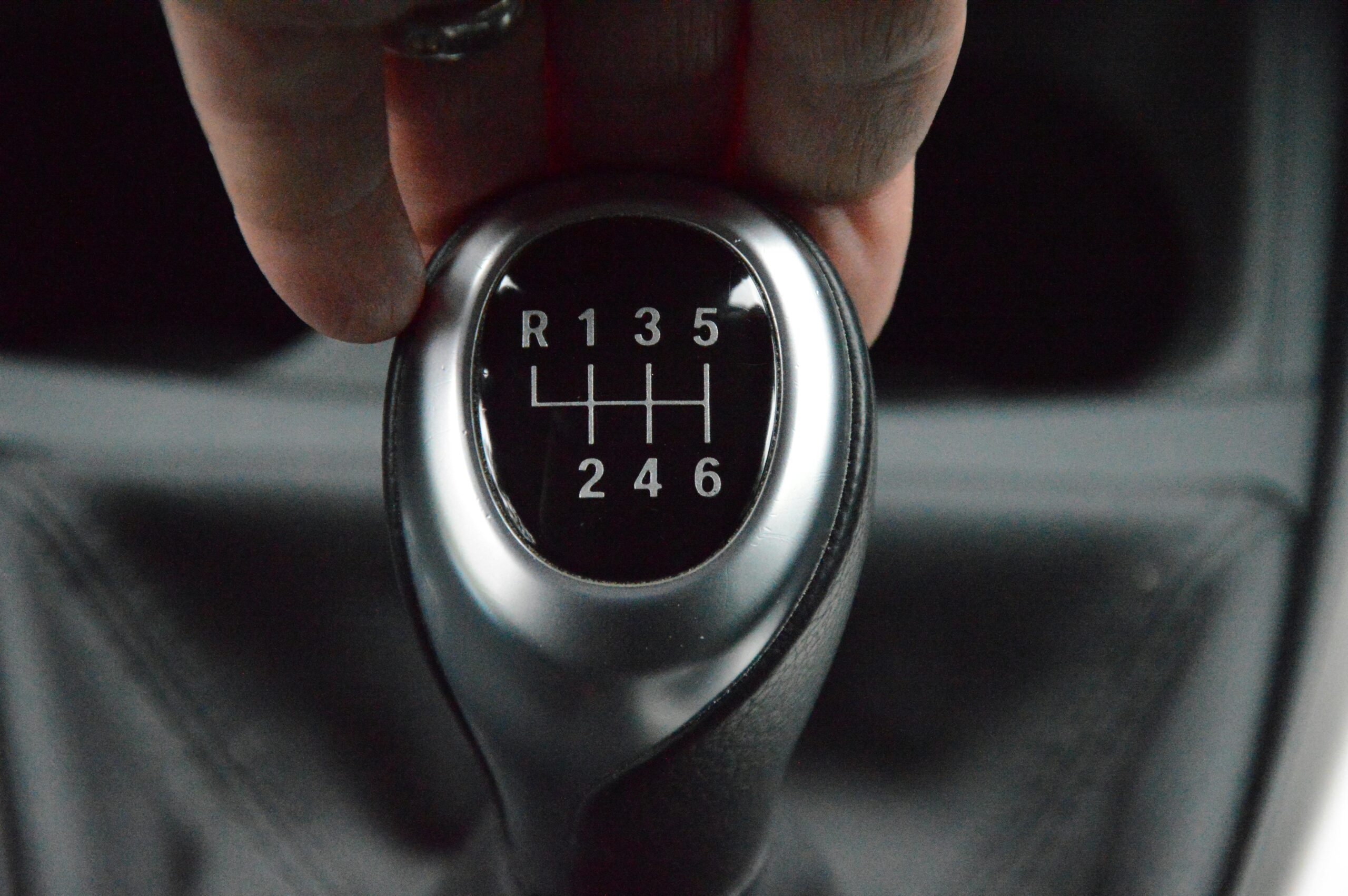
When it comes to selecting the perfect vehicle for overlanding adventures, one of the key decisions you’ll need to make is whether to opt for an automatic transmission or a manual transmission. Both transmission types offer unique advantages and considerations for off-road travel, and the choice ultimately depends on your personal preferences, driving style, and the specific demands of your overlanding adventures. Here’s a comprehensive comparison to help you make an informed decision:
Automatic Transmission:
Advantages:
- Ease of Use: Automatic transmissions are renowned for their simplicity and ease of use, making them an excellent choice for novice drivers or those who prefer a more relaxed driving experience.
- Smooth Shifting: Automatic transmissions provide seamless shifting between gears, resulting in smoother acceleration and a more comfortable ride, especially in stop-and-go traffic or on uneven terrain.
- Convenience: With an automatic transmission, you can focus more on navigating challenging off-road obstacles and less on manually shifting gears, allowing for greater concentration and control.
- Adaptability: Modern automatic transmissions often feature advanced electronic controls and multiple driving modes, allowing you to tailor your vehicle’s performance to different terrain and driving conditions with the push of a button.
Considerations:
- Limited Control: While automatic transmissions offer convenience and ease of use, they may provide less precise control over gear selection and engine braking compared to manual transmissions, particularly in extreme off-road situations.
- Maintenance Requirements: Automatic transmissions may require more frequent maintenance and service compared to manual transmissions, including fluid changes, filter replacements, and periodic adjustments.
Manual Transmission:
Advantages:
- Greater Control: Manual transmissions provide drivers with greater control over gear selection and engine braking, allowing for more precise control in challenging off-road terrain and driving conditions.
- Mechanical Reliability: Manual transmissions are often praised for their mechanical simplicity and durability, making them less prone to electronic malfunctions or sensor failures compared to automatic transmissions.
- Fuel Efficiency: In some cases, manual transmissions may offer better fuel efficiency and performance, especially in off-road situations where precise gear selection and engine control are crucial.
Considerations:
- Learning Curve: Mastering the art of driving a manual transmission vehicle requires practice and skill, especially for inexperienced drivers or those accustomed to automatic transmissions.
- Increased Driver Fatigue: Manual transmissions may require more physical effort to operate, particularly in stop-and-go traffic or during long hours of off-road driving, leading to increased driver fatigue.
- Limited Availability: Manual transmission vehicles are becoming less common in the automotive market, with many manufacturers shifting towards automatic transmissions as the default option for their vehicles.
Conclusion:
The choice between automatic and manual transmissions for overlanding vehicles ultimately comes down to personal preference, driving style, and the specific demands of your off-road adventures. Automatic transmissions offer convenience, smooth shifting, and ease of use, while manual transmissions provide greater control, mechanical reliability, and fuel efficiency. Consider factors such as your level of driving experience, terrain you’ll be traversing, and maintenance requirements when choosing the right transmission for your overlanding vehicle. Whichever option you choose, ensure your vehicle is properly equipped and maintained to handle the challenges of off-road travel and make the most of your overlanding adventures.
Deja un comentario