
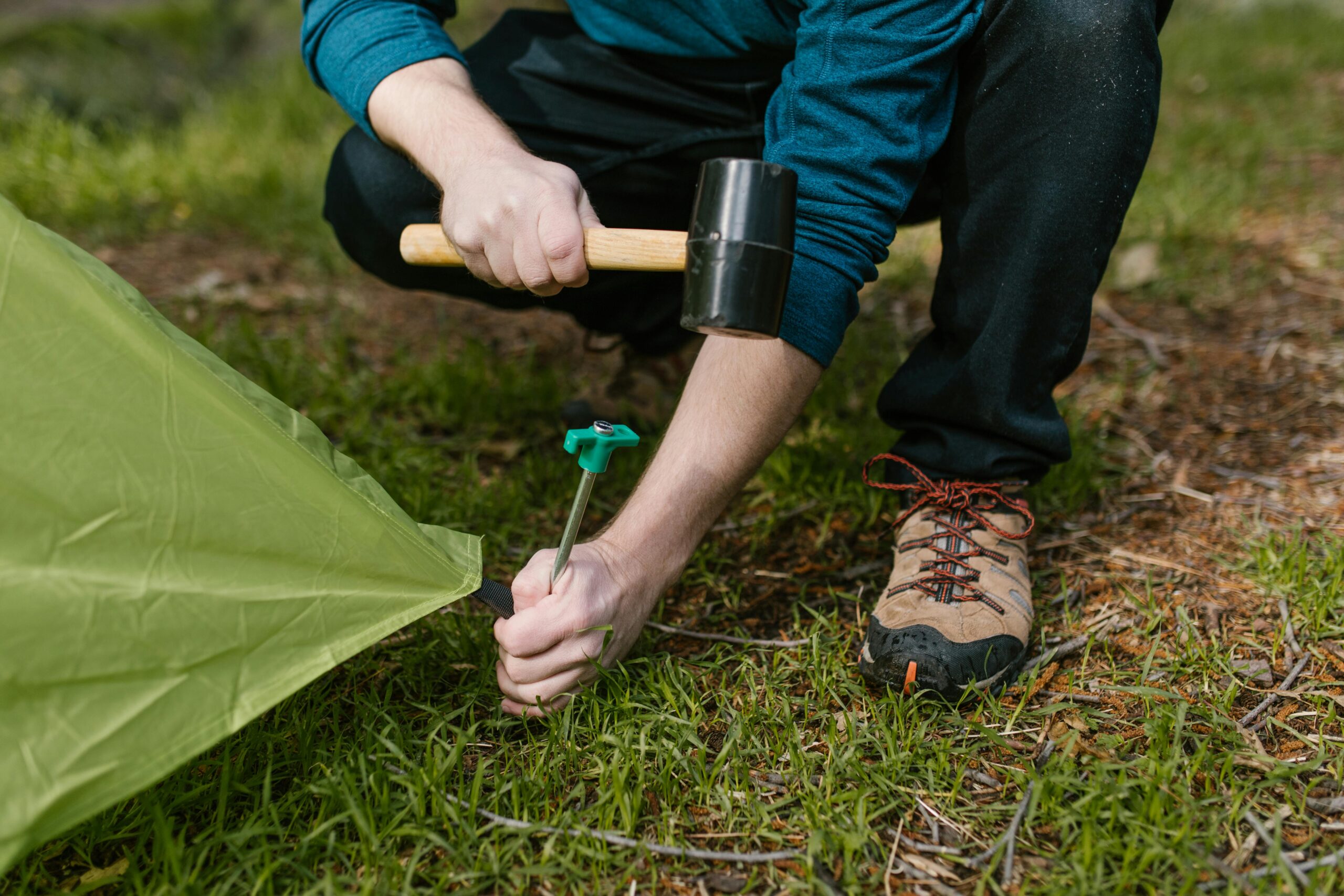
Setting up a tent is a fundamental skill for any outdoor enthusiast, and mastering this skill becomes even more crucial when facing different kinds of weather conditions. Whether you’re camping under clear skies, enduring a rainstorm, or braving strong winds, knowing how to properly set up your tent can mean the difference between a comfortable night’s sleep and a soggy, uncomfortable ordeal. Here are some essential tips for setting up a tent in various weather conditions:
1. Clear Skies and Fair Weather:
- Choose a level and well-drained campsite away from potential hazards such as dead trees, rocky terrain, or low-lying areas prone to flooding.
- Remove any debris, rocks, or sticks from the ground to create a flat and comfortable sleeping surface.
- Lay out your tent footprint or groundsheet to protect the tent floor from moisture and abrasion.
- Assemble the tent poles and frame according to the manufacturer’s instructions, ensuring they are securely in place.
- Attach the rainfly if necessary for added protection against condensation and dew.
2. Rainy Conditions:
- Prioritize setting up your tent in a sheltered area with natural windbreaks such as trees or bushes to minimize exposure to rain and wind.
- Angle your tent door away from the prevailing wind direction to prevent rain from blowing inside.
- Ensure the rainfly is securely attached and properly tensioned to provide maximum coverage and protection from rain and moisture.
- Use additional guy lines and stakes to anchor the tent to the ground and prevent it from being blown away in strong winds.
- Consider adding a ground tarp or footprint underneath your tent for extra protection against groundwater seepage and moisture.
3. Windy Conditions:
- Position your tent so that the narrowest side faces into the wind to reduce wind resistance and minimize the risk of damage.
- Stake out the tent corners and guy lines securely to prevent the tent from collapsing or blowing away in gusty winds.
- Use additional guy lines and tensioners to reinforce the tent structure and distribute wind forces evenly.
- Consider using wind-resistant tent designs such as dome or geodesic tents that offer greater stability in windy conditions.
- Avoid setting up your tent near exposed ridgelines, open fields, or other high-wind areas where gusts are likely to be strongest.
4. Cold Weather and Snow:
- Choose a campsite with natural windbreaks and good insulation, such as dense vegetation or natural depressions in the terrain.
- Use snow stakes or anchors to secure your tent in snow or frozen ground, ensuring a stable and secure pitch.
- Clear snow from the tent site and create a level platform using a snow shovel or compacted snow to prevent sinking or shifting.
- Insulate the tent floor with a closed-cell foam pad or inflatable sleeping pad to provide an additional barrier against the cold ground.
- Ventilate the tent properly to prevent condensation buildup and regulate internal temperature, but minimize exposure to drafts and cold air.
5. Hot and Sunny Conditions:
- Seek shade and natural cooling options such as trees, rock formations, or bodies of water to reduce sun exposure and maintain a comfortable temperature inside the tent.
- Set up your tent in a well-ventilated area with good airflow to promote natural cooling and prevent overheating.
- Consider using a reflective or light-colored rainfly to reflect sunlight and reduce heat absorption, especially in sunny and hot climates.
- Use mesh panels and windows to maximize airflow and ventilation inside the tent, but keep them closed during peak sun exposure to minimize heat buildup.
- Stay hydrated and take frequent breaks in the shade to avoid heat exhaustion and dehydration during hot weather camping trips.
Conclusion: Mastering the art of tent setup is essential for a safe, comfortable, and enjoyable outdoor experience in all kinds of weather conditions. By following these tips and adapting your setup techniques to suit the prevailing weather conditions, you can ensure a successful camping trip no matter what Mother Nature throws your way. So stay prepared, stay flexible, and embrace the adventure of camping in all its forms, rain or shine.
Deja un comentario