
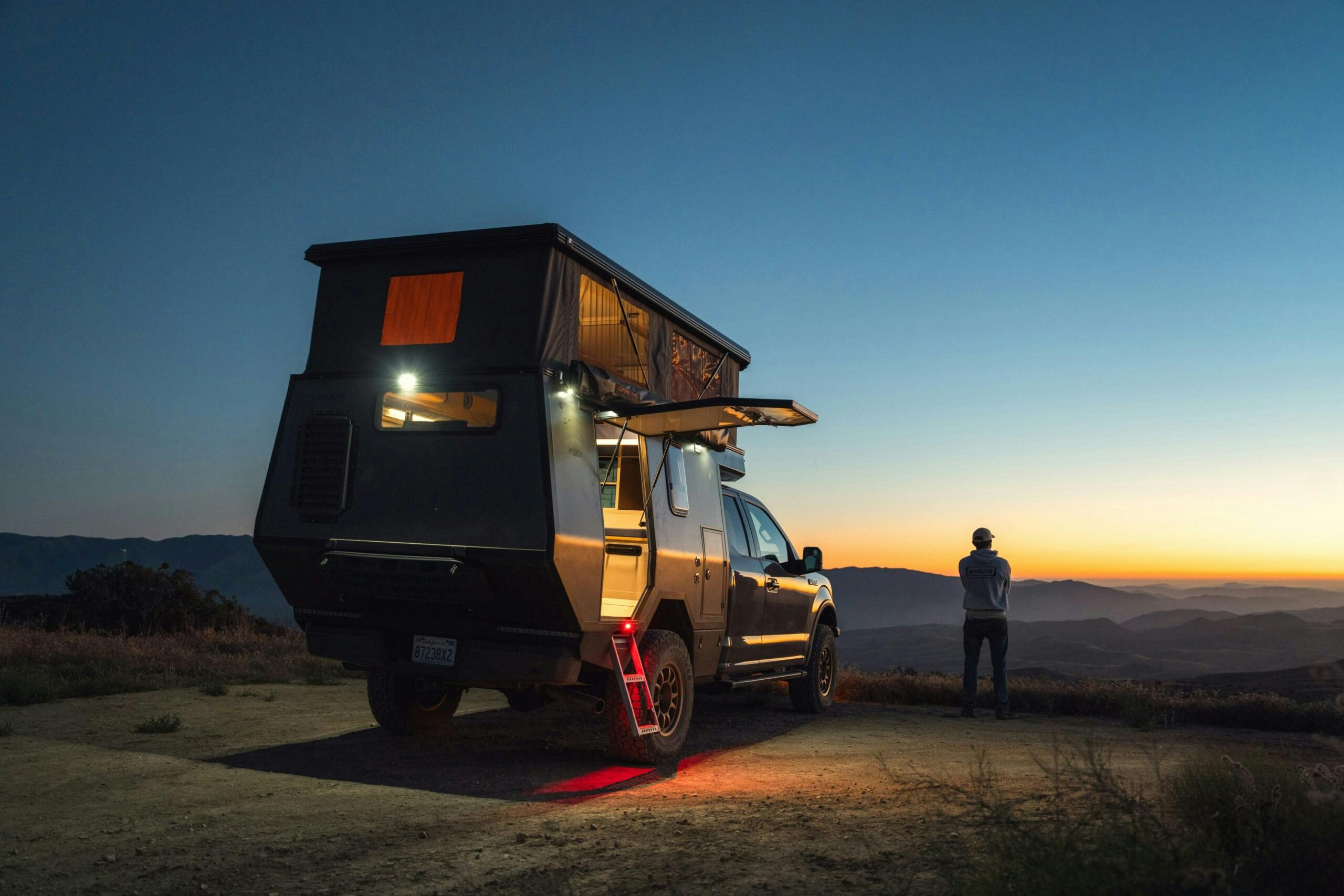
For those seeking a deeper connection with nature and a taste of true adventure, overlanding offers an exhilarating journey into the unknown. From rugged terrain to remote campsites, overlanding is more than just a camping trip—it’s a lifestyle that embraces exploration, self-sufficiency, and the thrill of off-road travel. If you’re ready to embark on your overlanding journey, here’s everything you need to know to get started.
What is Overlanding?
At its core, overlanding is about self-reliant travel to remote destinations, typically using off-road vehicles to reach these rugged and often challenging locations. Unlike traditional camping, which may involve staying in one place for an extended period, overlanding is about the journey as much as the destination. It’s a way to explore the world’s most remote and beautiful landscapes while honing your skills in navigation, survival, and vehicle maintenance.
How to Start Overlanding:
- Choose Your Vehicle: The first step in starting your overlanding journey is selecting the right vehicle. While any four-wheel-drive vehicle can be used for overlanding, many enthusiasts prefer rugged SUVs or trucks with off-road capabilities. Consider factors such as reliability, fuel efficiency, and cargo space when choosing your overlanding rig.
- Prepare Your Vehicle: Once you’ve chosen your vehicle, it’s essential to prepare it for the rigors of off-road travel. This may involve installing aftermarket upgrades such as off-road tires, suspension lift kits, skid plates, and recovery gear. Regular maintenance checks are also crucial to ensure your vehicle is in top condition for the journey ahead.
- Pack Essentials: When overlanding, it’s essential to pack wisely and efficiently. While you’ll want to bring along the comforts of home, space is limited, so prioritize essentials such as food, water, clothing, camping gear, and emergency supplies. Invest in high-quality equipment that is durable, lightweight, and versatile.
- Plan Your Route: Research and plan your overland route carefully, taking into account factors such as terrain, weather conditions, and points of interest along the way. Utilize maps, guidebooks, and online resources to plot your course and identify potential campsites and fuel stops. Flexibility is key, so be prepared to adapt your plans as needed based on changing circumstances.
- Practice Safety: Safety should always be a top priority when overlanding. Familiarize yourself with basic off-road driving techniques, such as proper tire inflation, navigating steep inclines and declines, and crossing water obstacles safely. Always wear your seatbelt, drive at a safe and responsible speed, and be mindful of your surroundings.
- Leave No Trace: As stewards of the environment, it’s essential to practice Leave No Trace principles when overlanding. Minimize your impact on the land by packing out all trash, avoiding sensitive habitats, and respecting wildlife and other travelers. Leave the places you visit as pristine as you found them for future generations to enjoy.
Embark on Your Adventure
With the right preparation, mindset, and sense of adventure, overlanding offers a unique and rewarding way to explore the world’s most remote and breathtaking landscapes. Whether you’re embarking on a weekend getaway or an epic cross-country expedition, the spirit of overlanding invites you to embrace the journey, forge lasting memories, and discover the true meaning of adventure.
Deja un comentario