
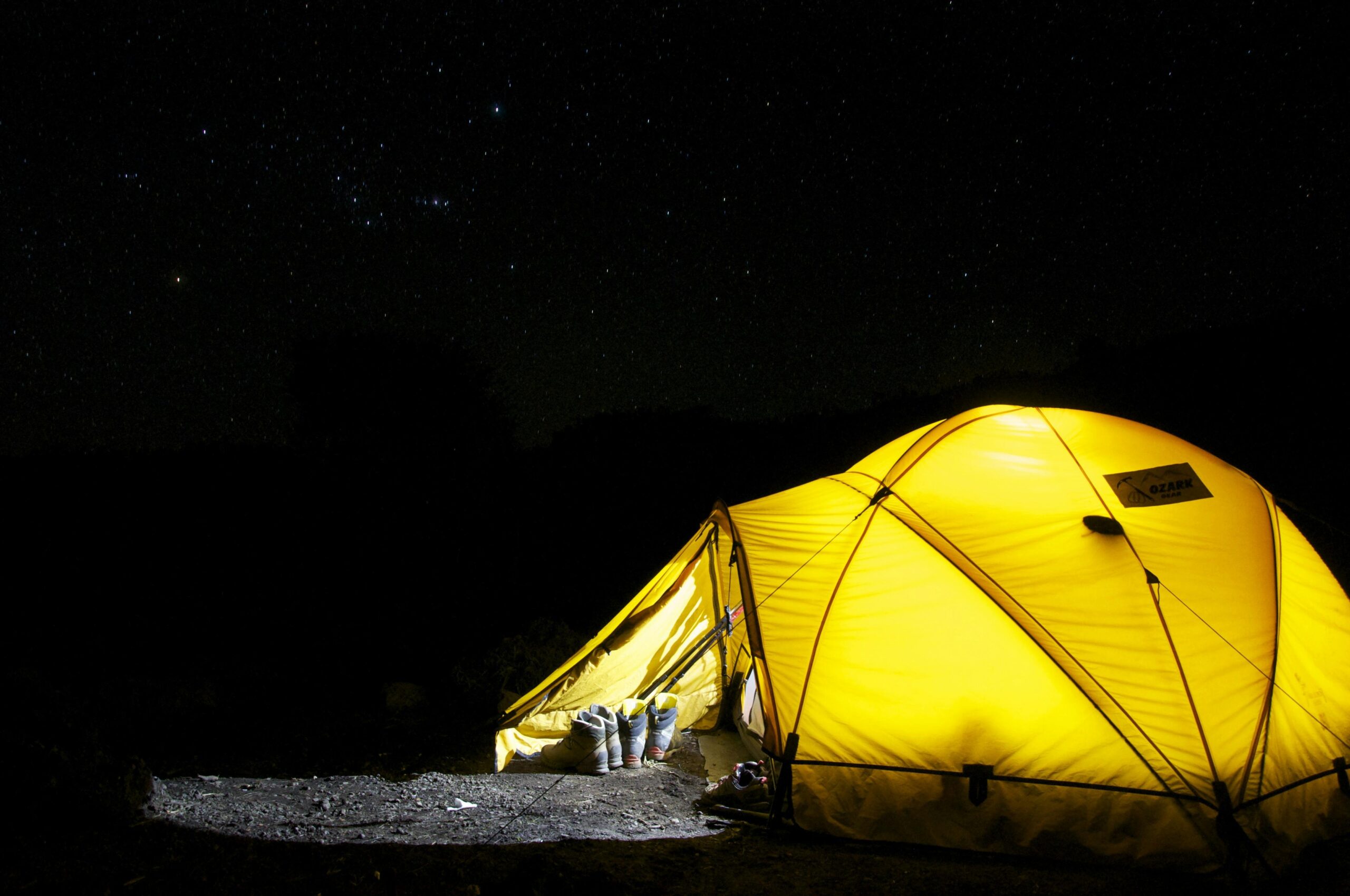
When it comes to embracing the call of the wild, two popular outdoor activities often come to mind: camping and overlanding. While both involve venturing into nature, they offer distinct experiences that cater to different preferences and styles of adventure. Let’s delve into the nuances of camping and overlanding to understand their differences and what sets them apart.
Camping: A Time-Honored Tradition
Camping is perhaps the most classic way to immerse oneself in nature. Whether it’s pitching a tent in a designated campground or finding a secluded spot deep in the wilderness, camping offers a chance to disconnect from the hustle and bustle of everyday life and reconnect with the natural world.
Key Features of Camping:
- Simplicity: Camping is often associated with simplicity. It typically involves setting up a temporary shelter, such as a tent, and cooking meals over a campfire or portable stove.
- Location: Campgrounds, national parks, and remote wilderness areas are popular destinations for camping enthusiasts. These locations offer varying levels of amenities, from basic pit toilets and fire rings to full-service campgrounds with showers and electrical hookups.
- Activities: Camping provides ample opportunities for outdoor activities such as hiking, fishing, birdwatching, and stargazing. It’s a chance to unplug from technology and enjoy the beauty of the natural world.
Overlanding: Off-Road Adventure
Overlanding takes the concept of camping to the next level by combining it with off-road exploration. Unlike traditional camping, which often involves staying in one location for an extended period, overlanding is about embarking on multi-day journeys, traversing diverse terrain, and experiencing the thrill of the unknown.
Key Features of Overlanding:
- Vehicle Dependent: Overlanding is inherently vehicle-dependent, with enthusiasts often using rugged 4×4 vehicles, camper vans, or purpose-built off-road rigs equipped with amenities for extended travel.
- Remote Exploration: Overlanders seek out remote and challenging terrain, often venturing off the beaten path to reach secluded campsites and breathtaking vistas. This emphasis on exploration and self-sufficiency sets overlanding apart from traditional camping.
- Self-Sufficiency: Overlanders must be self-sufficient, carrying essential supplies such as food, water, fuel, and emergency equipment. The ability to navigate rugged terrain and overcome obstacles adds an element of adventure and excitement to the journey.
Finding Your Adventure
Whether you prefer the simplicity of traditional camping or the rugged exploration of overlanding, both offer unique opportunities to connect with nature and create unforgettable experiences. The choice ultimately comes down to your personal preferences, level of comfort, and thirst for adventure.
In Conclusion
Camping and overlanding may share similarities, but they cater to different styles of outdoor enthusiasts. Camping provides a chance to relax, unwind, and enjoy the simplicity of nature, while overlanding offers the thrill of off-road adventure and exploration. Whichever you choose, the great outdoors awaits, ready to inspire and rejuvenate your spirit.
Deja un comentario