
Embarking on an overlanding adventure is a thrilling prospect, promising rugged terrain, breathtaking vistas, and unforgettable experiences. Yet, for many, the initial step of choosing the right vehicle can be daunting, especially when balancing budget constraints with the need for reliability and off-road capability. Fear not, fellow adventurers, for we’ve compiled a guide to the top 10 budget-friendly vehicles to kickstart your overlanding journey. These rugged companions offer the perfect blend of affordability and adventure-readiness, ensuring that your journey into the wild begins on the right track.
Within the upcoming list, you’ll find vehicles renowned for their reliability and adaptability, capable of conquering a myriad of overlanding obstacles with ease. These budget-friendly vehicles have proven their mettle time and again, earning the trust of adventurers worldwide. Moreover, their popularity within the overlanding community means an abundance of aftermarket support, allowing for easy customization to suit your specific needs and preferences.
- Toyota 4Runner (2nd to 4th Generation):
- Years/Generations: 1989-2009
- The Toyota 4Runner stands out as an excellent choice for overlanding due to its renowned reliability, robust off-road performance, and abundant aftermarket support. With its rugged construction, ample cargo space, and capable suspension, the 4Runner is well-equipped to tackle diverse terrain with confidence. Whether traversing rocky trails or navigating through challenging landscapes, this versatile SUV offers the durability and capability needed to embark on memorable overlanding adventures.
- Why it’s a good pick: Legendary reliability, solid off-road performance, abundant aftermarket support.
- Pros: Strong build quality, ample cargo space, capable off-road suspension.
- Cons: Limited fuel efficiency, outdated interior in older models.
- Jeep Cherokee XJ:
- Years: 1984-2001
- The Jeep Cherokee XJ is a standout option for overlanding enthusiasts thanks to its legendary durability, solid front and rear axles, and compact design. Renowned for its off-road prowess, the XJ boasts a strong aftermarket community, making it easy to customize and enhance its capabilities. With its simple mechanics and rugged construction, the Cherokee XJ is well-suited for tackling rough trails and remote terrain, making it a reliable and versatile companion for any overlanding expedition.
- Why it’s a good pick: Solid front and rear axles, compact size, iconic design.
- Pros: Excellent aftermarket support, rugged construction, simple mechanics.
- Cons: Older models may require more maintenance, less refined ride compared to modern SUVs.
- Nissan Xterra:
- Years: 2005-2015
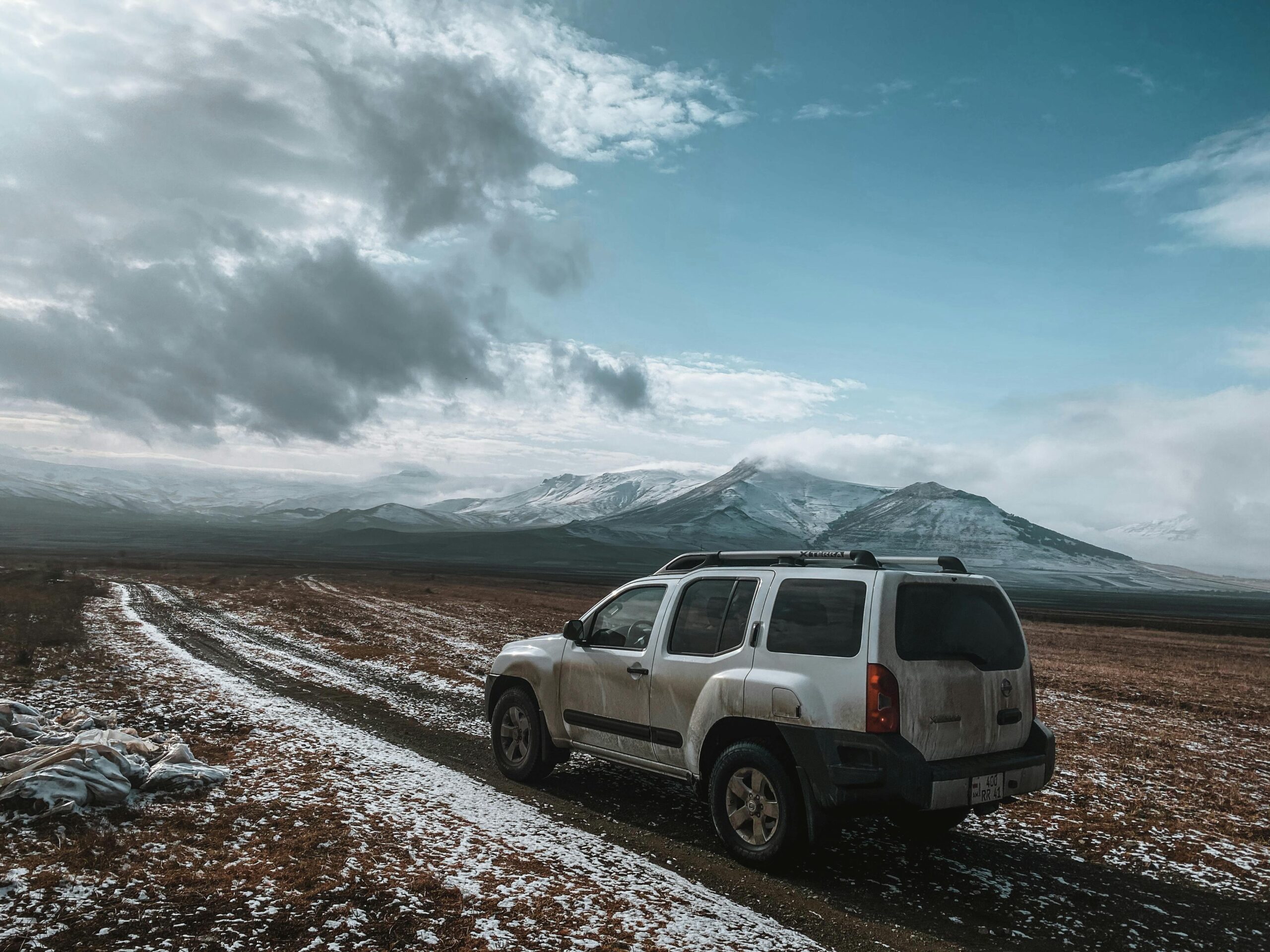
- The Nissan Xterra is a top choice for overlanding due to its robust off-road capabilities, spacious interior, and affordable pricing. With a powerful V6 engine and decent ground clearance, the Xterra is capable of handling a variety of terrain with ease. Its durable construction and ample cargo space make it an ideal vehicle for long-distance adventures, while its availability in 4×4 ensures traction and control in challenging conditions. Whether exploring rugged trails or embarking on remote journeys, the Xterra offers the reliability and versatility needed for successful overlanding experiences.
- Why it’s a good pick: Robust off-road capabilities, spacious interior, affordable pricing.
- Pros: Powerful V6 engine, decent cargo space, good ground clearance.
- Cons: Aging design, limited fuel efficiency, less aftermarket support compared to some rivals.
- Ford Ranger (3rd Generation):
- Years: 1983-1997
- The Ford Ranger’s compact size, durable construction, and availability in 4×4 make it an excellent choice for overlanding. With strong engine options and a rugged chassis, the Ranger is capable of maneuvering through rough terrain with ease. While older models may require more maintenance, their affordability and off-road capabilities make them a practical option for adventurous travelers.
- Why it’s a good pick: Compact size, durable construction, available in 4×4.
- Pros: Strong engine options, rugged chassis, easy to maneuver on trails.
- Cons: Older models may require more maintenance, limited cargo space compared to larger trucks.
- Jeep Wrangler TJ:
- Years: 1997-2006
- The Jeep Wrangler TJ’s iconic design, solid front and rear axles, and extensive aftermarket support make it a favorite among overlanders. Renowned for its off-road capability and removable top and doors, the Wrangler TJ offers unmatched versatility for exploring remote landscapes. While its ride may be relatively harsh on-road, its strong resale value and rugged construction make it a dependable choice for off-grid adventures.
- Why it’s a good pick: Iconic Jeep styling, solid front and rear axles, extensive aftermarket support.
- Pros: Excellent off-road capability, removable top and doors, strong resale value.
- Cons: Relatively harsh ride on-road, less refined interior compared to newer SUVs.
- Toyota Tacoma (1st Generation):
- Years: 1995-2004
- The Toyota Tacoma’s reputation for reliability, robust off-road performance, and versatile configurations make it an ideal overlanding vehicle. With strong resale value and a range of cab and bed options, the Tacoma offers flexibility for various adventure needs. While its ride quality may be firm, its renowned reliability and capability ensure confidence on any terrain.
- Why it’s a good pick: Toyota reliability, robust off-road performance, durable construction.
- Pros: Strong resale value, available in various cab and bed configurations, renowned reliability.
- Cons: Firm ride quality, older models may lack modern amenities.
- Subaru Forester (2nd Generation):
- Years: 2003-2008
- The Subaru Forester’s all-wheel-drive system, compact size, and comfortable ride quality make it a practical choice for overlanding. While it may lack the ruggedness of traditional off-road vehicles, its fuel efficiency and versatility make it well-suited for exploring diverse landscapes. With decent ground clearance and ample cargo space, the Forester offers reliability and comfort for extended journeys.
- Why it’s a good pick: All-wheel-drive system, compact size, versatile interior.
- Pros: Good fuel efficiency, comfortable ride on-road, decent ground clearance.
- Cons: Limited cargo space compared to larger SUVs, may struggle with extreme off-road terrain.
- Chevrolet Colorado/GMC Canyon (1st Generation):
- Years: 2004-2012
- The Chevrolet Colorado/GMC Canyon’s availability in 4×4 and rugged ZR2 off-road package make it a compelling option for overlanding. With strong V6 engine options and a comfortable interior, the Colorado/Canyon offers capability and comfort for long-distance travel. While reliability concerns exist, its affordable pricing and capable off-road performance make it an attractive choice for adventurers on a budget.
- Why it’s a good pick: Available in 4×4, rugged ZR2 off-road package, affordable pricing.
- Pros: Strong V6 engine options, comfortable interior, capable off-road with ZR2 trim.
- Cons: Some reliability concerns, limited aftermarket support compared to competitors.
- Mitsubishi Montero (3rd Generation):
- Years: 2000-2006
- The Mitsubishi Montero’s solid off-road capabilities, spacious interior, and affordable pricing make it a practical overlanding vehicle. With a comfortable ride quality and reliable V6 engine, the Montero offers comfort and performance for extended journeys. While it may lack the aftermarket support of some competitors, its durable construction and towing capacity make it a dependable choice for off-road adventures.
- Why it’s a good pick: Solid off-road capabilities, spacious interior, affordable pricing.
- Pros: Comfortable ride quality, good towing capacity, reliable V6 engine.
- Cons: Limited aftermarket support, fuel efficiency could be better.
- Land Rover Discovery Series II:
- Years: 1998-2004
- The Land Rover Discovery Series II’s excellent off-road capability, luxurious interior, and advanced off-road technology make it a standout choice for overlanding. With adjustable air suspension and spacious cabin, the Discovery offers comfort and versatility for long-distance travel. However, reliability concerns and higher maintenance costs should be considered before embarking on remote expeditions.
- Why it’s a good pick: Excellent off-road capability, luxurious interior, distinctive styling.
- Pros: Air suspension for adjustable ride height, spacious cabin, advanced off-road technology.
- Cons: Reliability concerns, expensive maintenance, lower fuel efficiency.
Deja un comentario